Source Upper and Lower Roller Fuser Cleaning Oil for Printers, Copiers, and Plotters
Compare 30 verified suppliers offering upper and lower roller fuser cleaning oil for industrial printing applications. Buyers can evaluate specifications, pricing, and customization options to find the right solution for their maintenance needs; compare the available evidence and request quotations based on your requirements.
Key considerations
Products List


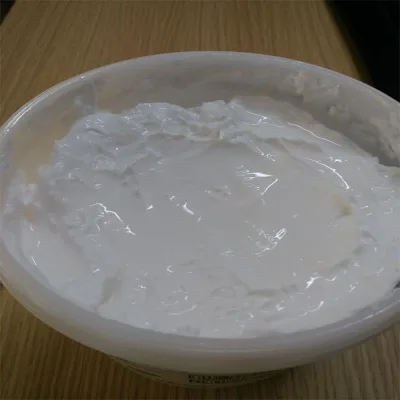


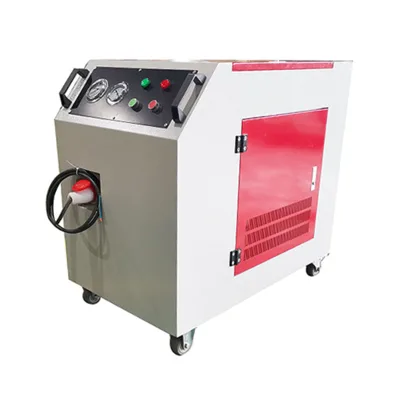


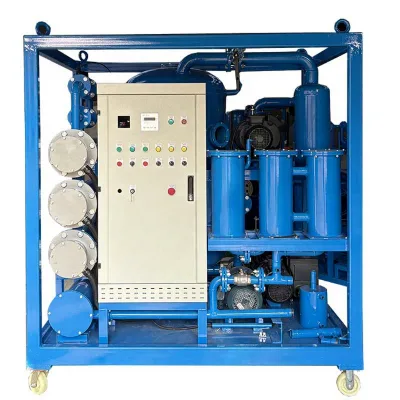
Comprehensive Sourcing Guide
Upper and Lower Roller Fuser Cleaning Oil Sourcing Guide
Procuring cleaning agents for upper and lower roller fusers requires identifying fluids compatible with high-temperature thermal transfer processes. Buyers must verify that the selected solvent effectively dissolves toner residues without degrading the rubber or silicone surfaces of the fuser rollers. The primary function of these specialized oils is to maintain thermal efficiency and prevent image defects caused by accumulated debris.
Sourcing decisions should prioritize products that balance cleaning efficacy with operational safety. Since fuser units operate under significant heat, the cleaning fluid must possess a high flash point and low volatility to prevent fire hazards during application. Procurement teams should evaluate whether the supplier offers formulations specifically engineered for the specific polymer composition of the rollers in their existing equipment.
Product Scope and Observed Listing Signals
The market for fuser cleaning oils often presents a wide range of product capacities and flow rates, which can be misleading for specific maintenance needs. While some listings indicate high-volume industrial capacities like 12,000 liters per hour, these figures typically refer to the processing machinery rather than the cleaning fluid itself. Buyers must distinguish between the cleaning agent and the filtration systems used to recycle or manage the fluid during industrial operations.
Observed product attributes reveal that customization is frequently available, allowing suppliers to tailor viscosity and chemical composition to specific machine models. Listings often highlight features such as vacuum structures or mobile designs, which are relevant to the application equipment rather than the fluid container. Procurement teams should scrutinize whether the listed flow rates and capacities apply to the cleaning solution or the associated filtration hardware to avoid purchasing incompatible volumes.
Technical Specifications to Verify
Technical verification must begin with the chemical compatibility of the cleaning oil against the specific roller materials used in the fuser assembly. Buyers should confirm that the fluid does not cause swelling or hardening of the rubber components, which could lead to premature equipment failure. The viscosity and surface tension of the oil are critical parameters that determine how well the fluid penetrates and removes stubborn toner buildup from the roller surface.
Performance metrics such as moisture content and gas content are essential indicators of the fluid's purity and stability under thermal stress. Specifications often cite moisture levels as low as 50 parts per million and gas content around 0.1%, ensuring the oil does not introduce contaminants that could affect print quality. Additionally, the filtration accuracy of the system used to apply or recycle the oil should be verified to ensure impurities are removed down to the sub-micron level.
Compliance and Safety Documentation
Safety documentation is paramount when sourcing chemicals used in high-temperature environments, as the risk of fire or toxic fume release is significant. Buyers must request Safety Data Sheets (SDS) that explicitly detail the flash point, flammability limits, and recommended storage conditions for the cleaning oil. Compliance with international standards such as CE, ISO, and SGS is often required to ensure the product meets rigorous safety and environmental regulations.
Regulatory compliance extends to the packaging and transportation of the cleaning agents, which must adhere to export standards for hazardous materials. The product origin, often listed as China or specific regions like Chongqing, influences the availability of local safety certifications and the validity of the provided documentation. Procurement teams should verify that the supplier holds valid certifications like TÜV or ISO9001 to ensure consistent quality control and adherence to safety protocols.
Cost Drivers and Commercial Terms
The cost of fuser cleaning oil is influenced by the complexity of the chemical formulation and the level of customization required for specific machinery. While some standard products may have lower entry prices, specialized fluids designed for high-efficiency filtration and rapid toner removal often command a premium. Buyers should analyze the total cost of ownership, including the frequency of replacement and the potential for fluid recycling, rather than focusing solely on the unit price.
Commercial terms such as Minimum Order Quantity (MOQ) and lead times vary significantly based on the supplier's production capacity and inventory levels. Observed MOQ ranges can be as low as one unit, offering flexibility for small-scale maintenance, while larger industrial orders may require bulk purchasing. Lead times and packing requirements, such as plywood cases or wooden crates, also impact the final landed cost and should be factored into the budget planning.
Supplier Qualification and Quality Control
Supplier qualification requires a thorough assessment of their manufacturing capabilities and quality assurance processes for chemical production. Buyers should verify that the supplier has a proven track record in producing fluids that meet specific performance criteria, such as efficient filtration and dewatering capabilities. The presence of certifications like CE, ISO, and SGS indicates a commitment to maintaining high standards in product consistency and safety.
Quality control measures must include rigorous testing of the cleaning oil's mechanical principles, such as coalescence dehydration and solid-liquid separation. Suppliers should provide evidence of their ability to maintain impurity sizes below 1 micron and ensure the fluid remains stable under various operating conditions. Procurement teams should request sample testing results to validate that the product performs as advertised before committing to a large-scale purchase.
Long-Term Procurement Checks
Establishing a long-term procurement strategy involves regular audits of the cleaning oil's performance and its impact on equipment longevity. Buyers should monitor the condition of the fuser rollers over time to ensure the cleaning fluid continues to prevent wear and maintain optimal thermal transfer. Consistent performance in removing particles and degassing the oil is critical for sustaining high-quality output and minimizing downtime.
Future procurement decisions should be based on the supplier's ability to adapt to evolving equipment standards and environmental regulations. As machinery becomes more advanced, the cleaning fluids must evolve to meet new requirements for efficiency and safety. Maintaining a relationship with a qualified supplier ensures a steady supply of compatible products and access to technical support for troubleshooting any emerging issues with the fuser units.
FAQs
What is the primary function of upper and lower roller fuser cleaning oil?
It removes residual toner and paper dust from fuser rollers to prevent print defects. This maintenance fluid ensures consistent heat transfer and image quality. Regular application extends roller life and reduces machine downtime for industrial printing operations.
Can I customize the packaging for bulk orders of cleaning oil?
Yes, customization is available for bulk purchases. Suppliers often offer options like plywood cases or export-standard wooden crates. This ensures safe transport and protects the product integrity during international shipping to various global destinations.
Which certifications should I look for in cleaning oil suppliers?
Look for suppliers with CE, ISO, and SGS certifications. These standards indicate compliance with safety and quality management systems. Certified products ensure reliable performance and regulatory adherence for industrial printing equipment maintenance and operational safety.
How does the voltage specification affect the cleaning process?
The cleaning oil itself is a chemical fluid, not an electrical device. However, the associated application equipment often requires 380V power. Ensure your cleaning system matches the voltage requirements of your facility to operate safely and efficiently.
What is the typical MOQ for industrial cleaning oil orders?
The minimum order quantity typically ranges from 1 to 10 units. This flexibility allows businesses to test products or manage inventory without excessive commitment. Suppliers accommodate various order sizes to suit different operational scales and budget constraints.
Where are these cleaning oil products typically manufactured?
Many industrial cleaning oils are manufactured in China, specifically in regions like Chongqing. This location is a hub for machinery and chemical production. Buyers can access a wide range of suppliers with established export capabilities and competitive pricing.